Tips for Picking the Proper Dumpster Size
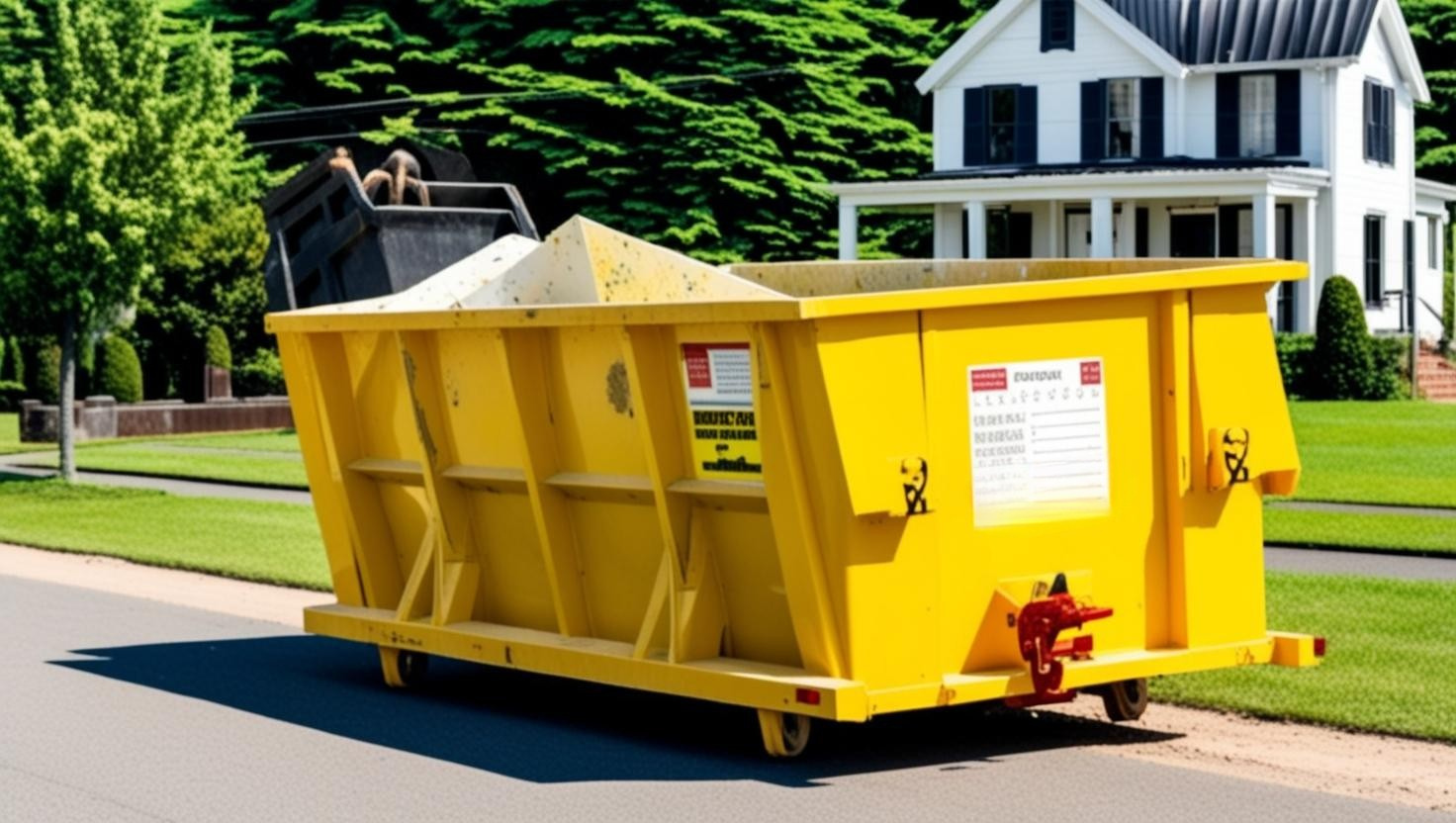
During preparation for a cleanup, remodel, or building job, a frequently ignored step is choosing the appropriate dumpster size. Many people focus on the work itself but fail to consider how waste will be managed, which can affect both efficiency and safety. Choosing a dumpster that is too small may cause overflow and multiple hauls, while one that is too large may take up unnecessary space. Proper waste management starts with the right container choice, ensuring that debris is handled in a smooth and organized way.
At Junk Bee Gone, we understand how vital this decision is for the success of your project. Dumpsters serve beyond waste disposal, acting as an essential resource to keep worksites clear and safe. Understanding how to measure waste requirements helps you prevent setbacks and maintain workflow. Choosing correctly minimizes clutter and enhances safety for all participants. A thoughtful approach makes dumpster selection a smart decision instead of a gamble.
Evaluating the Scope of Your Project
The first step in choosing a dumpster is to carefully assess the scope of the project. The type of project can span from simple decluttering to complex building efforts. Waste volume is influenced by both the nature of the job and the types of materials used. Debris from roofing, household items, furniture, or yard waste varies in quantity and density. Factoring in the total debris expected helps predict the right container size.
Also consider the timeline of your job, as longer projects usually create more waste. When a job includes phases like demolition then building, waste amounts shift as time goes on. By accounting for these details, the selected container can manage debris continuously without problems. This approach prevents costly delays and reduces the need for additional pickups, keeping your project on track. Ultimately, reviewing scope and duration ensures better alignment between waste demands and the dumpster you select.
How Waste Materials Influence Container Selection
Not all waste is created equal, and understanding the type of materials you will dispose of plays a large role in choosing the right dumpster. Weighty items such as concrete and soil differ greatly from lighter materials like furniture or paper. The volume of bulky debris differs even when the weight appears manageable. Misjudging this can lead to overloading or inefficient use of container space. Accurately assessing materials prevents misuse of container space.
By identifying the main categories of waste before your project begins, you can match the dumpster to your requirements more accurately. Consider whether your cleanup will involve mainly household clutter, yard debris, or construction rubble. Every material type comes with distinct factors that affect the best container. This awareness allows for better planning and helps maximize the value of your rental, ensuring that no space is wasted while also avoiding unnecessary strain on the container. Accurate planning aligns container choice with the waste it will carry.
Considering Space and Placement
Where the dumpster will be placed is another important factor in making the right choice. The container’s location must allow easy service access and convenience for workers. Oversized check here containers on smaller sites often create practical problems. On the other hand, having a dumpster that is too small may require additional moves or adjustments that can slow down your progress. A balance between available space and container size is crucial for efficiency and safety.
The site’s overall layout, such as driveways or open spots, should influence the choice. Measuring available space before making a selection prevents surprises during delivery. Accessibility is also crucial, as the dumpster should be positioned so that it does not block important pathways or create safety risks. Smart placement means the container remains practical and efficient to use from start to finish. Effective space use contributes to steady workflow and fewer disruptions.
Calculating Waste Volume Correctly
Accurately estimating the amount of waste your project will generate is one of the most important steps in selecting a dumpster. Many people underestimate how quickly debris can add up, which can result in overflowing bins and added stress. An organized process that starts with taking inventory of what will be discarded offers the best accuracy. Dividing the job into phases and estimating debris at every stage gives you a clearer understanding. Such preparation reduces unexpected problems and ensures the chosen dumpster is suitable.
Visualizing the volume of debris in truckloads can also help you translate that into dumpster needs. Big items such as furniture or large boxes often take up space faster than people assume. It is wiser to overestimate a bit, ensuring room for unplanned debris. By thoroughly reviewing your needs, you will choose a dumpster that works smoothly without setbacks. This preparation keeps the process manageable and avoids the stress of running out of capacity midway through.
Advantages of Selecting the Correct Dumpster
Selecting the correct dumpster size provides several advantages beyond simple waste collection. A properly sized container minimizes clutter on the job site, which promotes both safety and efficiency. Staff waste less energy handling trash and more on completing their duties. Good organization creates a professional workflow, leaving tools and areas open for use. Ultimately, efficiency improves and hazards decrease when the right container is selected.
Another benefit is the reduction of unnecessary hauling or extra pickups. With a container that accommodates everything, progress flows steadily from beginning to end. Fewer hauls make the process more practical and efficient. Most importantly, having the right dumpster size prevents frustration and allows your project to move forward without interruptions caused by waste management issues. This peace of mind enhances productivity and confidence throughout the project.
Getting Expert Help With Dumpster Selection
For uncertain situations, seeking professional help guarantees better results. Experts evaluate your needs and suggest options from their practical knowledge. Reliable providers align dumpster size with job requirements, helping you avoid errors. Such advice helps those new to rentals or dealing with debris that is less typical. Professional input streamlines the decision-making process and removes uncertainty.
Junk Bee Gone has guided many clients in choosing the right container for their requirements. Our team listens carefully to your project details, taking into account both volume and material type. From there, we recommend a dumpster that combines practicality and ease of use, letting you stay focused. With our support, you gain confidence that your selection is supported by expertise. Relying on professionals ensures dependable and hassle-free disposal.
Making an Informed Dumpster Choice
Choosing the right dumpster size is an essential part of successful waste management for any project. Looking at project scope, debris type, space available, and expected volume enables a better decision. These steps help ensure efficiency, safety, and organization from beginning to end. A well-planned choice avoids unnecessary complications, keeping your project moving forward with confidence. The right choice fosters steady project progress and reliability.
At Junk Bee Gone, we focus on supporting customers in making well-informed waste handling decisions. With our knowledge, we can point you to a container that aligns with your job’s requirements. From household jobs to renovation and construction, our solutions keep waste handling reliable. The correct dumpster lets you dedicate full attention to achieving project completion. We aim to deliver reliable service that makes waste handling easier and more effective.